
The Iran arc
To understand Iran, we should go beyond the headlines and mainstream narratives

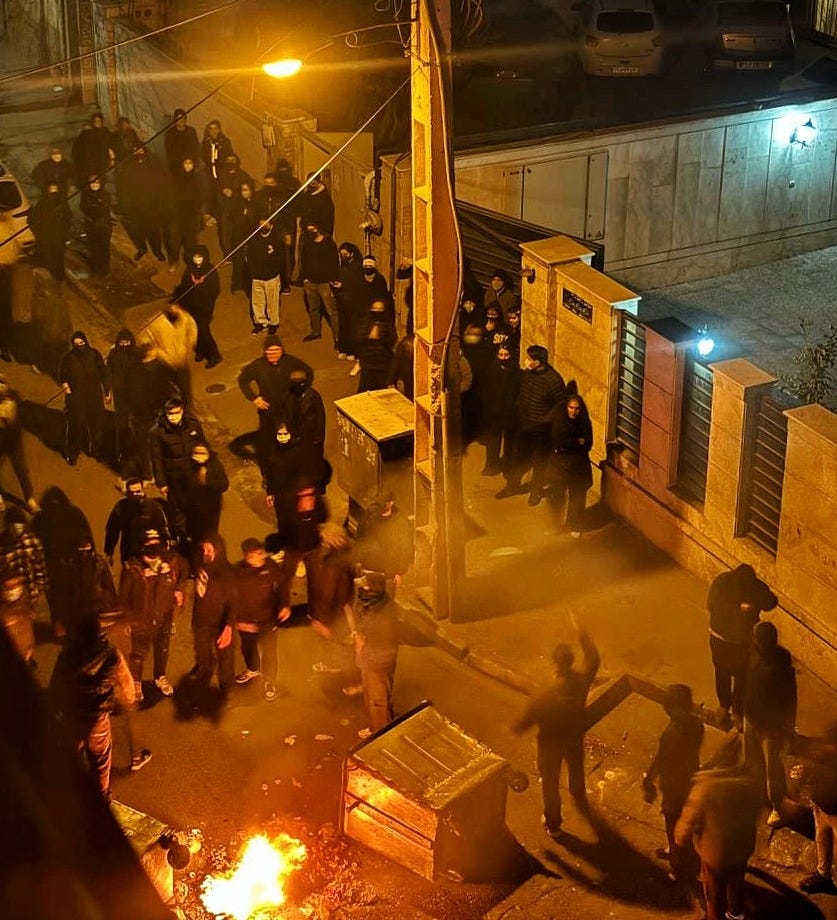
No analysis of Iran is complete if you reduce what happened in the country into a simplistic binary of an oppressive regime vs a freedom-loving people. That’s a liberal trap. I have serious disagreements with the character of the Iranian state (which I have with a lot of regimes), but that doesn’t stop me from trying to understand the broader picture. Iran has lived under crippling sanctions for decades--and those who imposed the sanctions wanted to make everyday life miserable in the hope that the public would rise against the regime which would open a window for the liberal interventionists. Why is Iran under sanctions? Mainly because of its nuclear programme. And why the nuclear programme?
Most stories on Iran are written from Iran’s adversaries’s POV. Try, for a change, to look at the region from Iran’s POV. Iran exists in a very hostile region. Just look at the map -- Iran is the only Persian Gulf country that doesn’t host an American military base. It sits in a region where Israel is the only nuclear power. The mistake Iran did -- as I have always argued -- was that it did not make the bomb. They thought they could leverage a nuclear threshold status for both security and economic relief. That was a blunder in a world of jungle. Tehran signed the nuclear deal in 2015. Trump demolished it in 2018 and reimposed sanctions. Europe just follows the line given from Washington.
Despite the hostility in the region, Iran enjoyed relative deterrence due its so-called axis of resistance. The US first killed Qassem Soleimani, one of the architects of the axis. And then Israel, post-Oct 7, with American help, chipped away at the axis. Because for both Israel and the US, Iran is the only revisionist power in West Asia. You take Syria out, Iran would be weakened. And you take Iran out, the whole region could be redrawn. Look at what happened. Hamas was pushed into the ruins of Gaza. Hezbollah has been degraded. Houthis are fighting their own battles. And the Syrian regime, Iran’s only state ally in the region, collapsed. Russia is stuck in Ukraine. China remains too self-occupied. Iran suddenly lay vulnerable to external threats. And then the Israelis bombed Iran in June. Trump happily joined in.
Europe followed suit in the subsequent months by reimposing snapback sanctions--because Iran violated a deal that Trump killed in 2018! In the middle of all this, Iran had elected a reformist as its president in an election in which more than 30 million people voted. But the government’s hands were tied when it came to economic issues because of the sanctions. And there is genuine public resentment which was what triggered the shopkeepers’ protests on December 28. But on Jan 2, after meeting Netanyahu in Florida, Trump said he was “locked and loaded”. Mossad started amplifying anti-regime messages in Farsi via social media. It even posted on X that “we are with you in the field”. Mike Pompeo in his New Year posted greeted both Iranian protesters and the Mossad agents beside them.
And unlike what the western media reported, the protests were not peaceful everywhere. It turned violent in pockets. Reza Pahlavi, son of the deposed monarch who is living in the US, suddenly emerged as the “Crown Prince”. Someone who hasn’t set foot in Iran for over four decades, emerged in western TV and press as the rightful voice of Iran’s opposition and he called for urgent American bombing of Iran! BBC and other western news agencies called him ‘Crown Prince’, while Fox News addressed him as “High Highness”. Propaganda channels such as Iran International unleashed a firestorm of misinformation. Reports about the situation on the ground came from “rights groups” based in Oslo and Washington. The liberal mills, which were conspicuously silent during Israel’s genocide of Palestinians for two years, started firing on all cylinders. Iran, they said, wants freedom through American and Israeli bombings.
Trump seemed to have developed cold feet after the Iranian authorities shut down the protests brutally. Institutions and security apparatus remained loyal to the Supreme Leader and the state. The efforts to bring in regime change failed, for now. But it doesn’t mean that the crisis is over.
Context matters. Sanctions, regional hostility, and great-power games absolutely shape Iran’s reality.
But expanding the frame shouldn’t come at the cost of shrinking Iranian agency. Structural pressure explains hardship; it does not explain away why people risk their lives to confront their own state.
The Architecture of a Crisis Manufactured by Hostile Foreign Powers.
An exclusive exposé on the hidden forces, intelligence networks, and propaganda machinery fueling turmoil in Iran.
https://felixabt.substack.com/p/the-architecture-of-a-crisis-manufactured